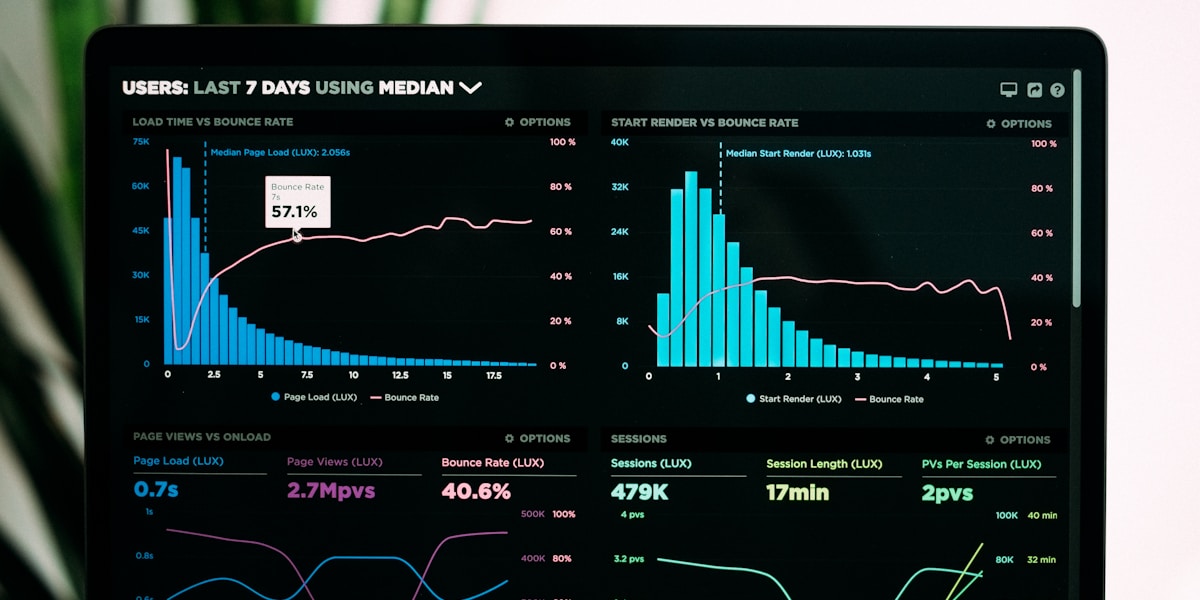
In today's hyper-competitive business landscape, making decisio ns based on intuition alone is no longer sufficient. Organizations that thrive are those that harness the power of data analytics to transform vast amounts o f raw information into actionable insights. At Gosotek, we've witnessed firsth and how data-driven decision-making has revolutionized businesses across indus tries, enabling leaders to make informed choices with confidence and precision . This transformation isn't just about adopting new technologies—it's about fu ndamentally changing how organizations approach strategy, operations, and cust omer relationships.
Understanding the Data Analytics Revolution
Data analytics has evolved from a niche technical discipline to a core busines s function essential for survival and growth. The sheer volume of data generat ed daily—estimated at 2.5 quintillion bytes globally—presents both a challenge and an opportunity for businesses. Companies that can effectively collect, pro cess, and analyze this data gain unprecedented visibility into their operation s, markets, and customers. This visibility translates directly into competitiv e advantage, allowing organizations to identify trends before competitors, opt imize processes for efficiency, and anticipate market shifts with remarkable a ccuracy. The key lies not just in having data, but in developing the capabilit y to extract meaningful insights that drive strategic decisions.
Enhanc ing Operational Efficiency
One of the most immediate and tangible benef its of data analytics is its impact on operational efficiency. By analyzing op erational data, businesses can identify bottlenecks, streamline workflows, and reduce waste across their organizations. Manufacturing companies use predictiv e analytics to forecast equipment failures before they occur, minimizing costl y downtime. Retailers leverage inventory analytics to optimize stock levels, r educing carrying costs while preventing stockouts. Service organizations analy ze workflow data to allocate resources more effectively, improving response ti mes and customer satisfaction. These improvements compound over time, creating leaner, more agile organizations capable of delivering superior value to custo mers while maintaining healthy margins.
Transforming Customer Understan ding
Perhaps no area has been more transformed by data analytics than c ustomer relationship management. Modern analytics tools enable businesses to d evelop deep, nuanced understandings of their customers' behaviors, preferences , and needs. By analyzing purchase histories, browsing patterns, social media interactions, and feedback data, companies can segment their audiences with pr ecision and personalize their offerings accordingly. This level of insight ena bles predictive customer service, where potential issues are identified and re solved before customers even recognize them. It powers recommendation engines that drive cross-selling and upselling opportunities. Most importantly, it fos ters stronger customer relationships built on genuine understanding and respon siveness to individual needs.
Driving Strategic Innovation
Data analytics isn't just about optimizing existing operations—it's a powerful cata lyst for innovation. By analyzing market trends, competitive intelligence, and emerging customer needs, businesses can identify new opportunities for growth and differentiation. Data-driven insights help organizations validate new prod uct concepts before investing heavily in development, reducing risk and increa sing the probability of success. They enable companies to enter new markets wi th confidence, armed with detailed understanding of local conditions, competit ive dynamics, and customer preferences. In the fast-moving digital economy, th is ability to identify and capitalize on emerging opportunities quickly can me an the difference between market leadership and obsolescence.
Mitigatin g Risk and Ensuring Compliance
In an increasingly complex regulatory en vironment, data analytics plays a crucial role in risk management and complian ce. Financial institutions use sophisticated analytics to detect fraudulent tr ansactions in real-time, protecting both themselves and their customers. Healt hcare organizations analyze patient data to identify potential safety issues a nd improve care quality. Across industries, companies leverage analytics to mo nitor compliance with regulations, identify potential violations before they o ccur, and demonstrate adherence to auditors and regulators. This proactive app roach to risk management not only prevents costly penalties and reputational d amage but also builds stakeholder trust and organizational resilience.
Building a Data-Driven Culture
Implementing data analytics technology i s only part of the equation—building a data-driven culture is equally importan t. Organizations must invest in developing their people's analytical capabilit ies, ensuring that data literacy is widespread rather than confined to special ized teams. Leaders must model data-driven decision-making, asking for evidenc e and analysis rather than relying solely on hierarchy or intuition. This cult ural transformation takes time and sustained commitment, but the rewards are s ubstantial. Companies with strong data cultures make better decisions faster, adapt more quickly to changing conditions, and empower their employees to cont ribute more effectively to organizational success.
Getting Started with Data Analytics
For organizations beginning their data analytics journey , the key is to start with clear business objectives rather than technology. I dentify specific decisions or processes that would benefit from better informa tion, and build analytics capabilities incrementally around these use cases. I nvest in the right infrastructure and tools, but remember that technology alon e won't deliver results—people and processes matter equally. Consider partneri ng with experienced IT services providers who can accelerate your analytics in itiatives while building your internal capabilities. Most importantly, commit to continuous improvement, recognizing that data analytics is not a one-time p roject but an ongoing capability that must evolve with your business needs.
At Gosotek, we believe that data analytics represents one of the most sign ificant opportunities for businesses to create value and competitive advantage in the digital age. By transforming how decisions are made across every level of the organization, data analytics enables businesses to operate more efficie ntly, serve customers more effectively, and navigate an increasingly complex b usiness environment with confidence. The question is no longer whether to inve st in data analytics, but how quickly you can build these capabilities to stay ahead of the competition.